
Short answer
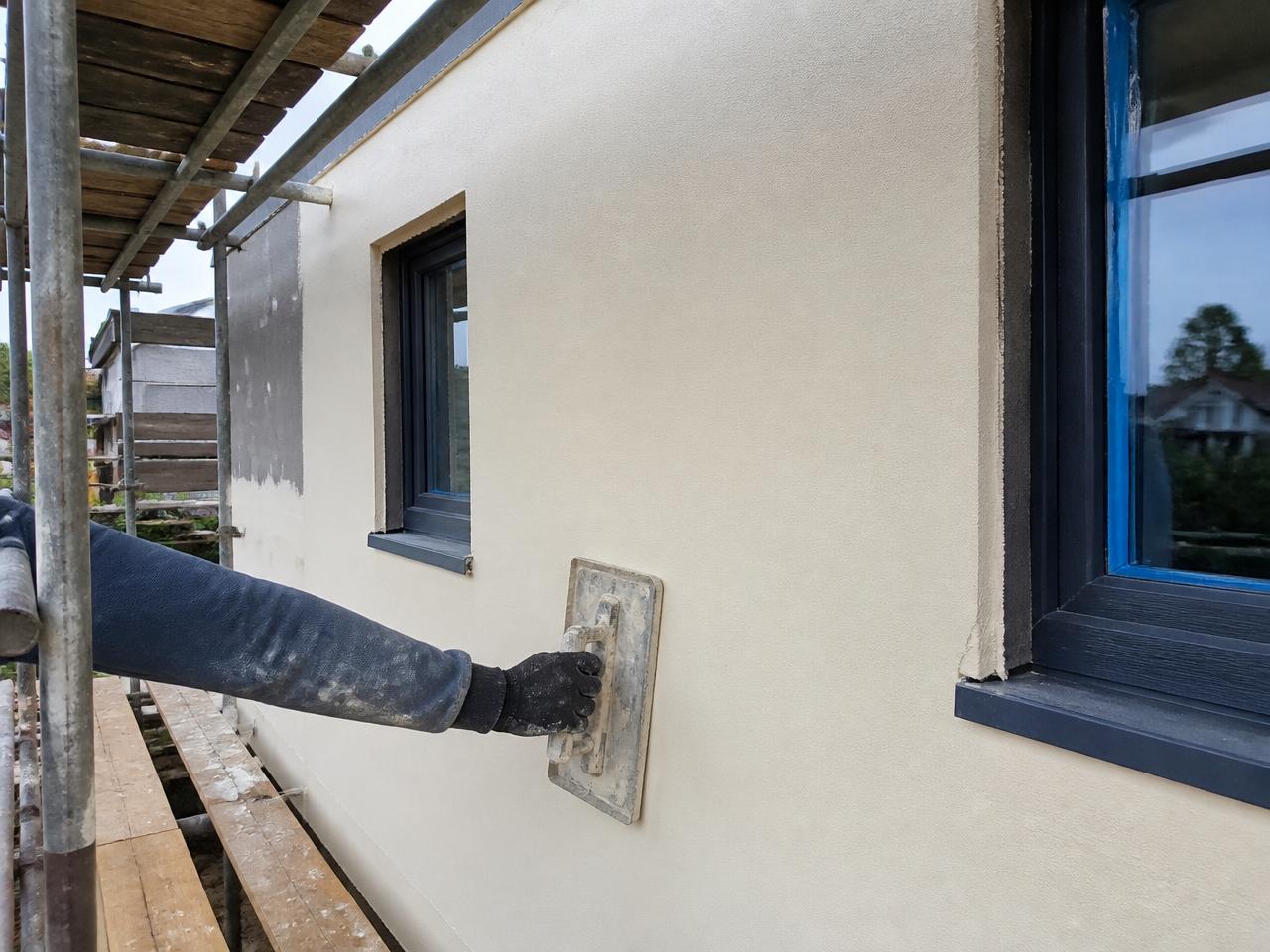
Rendering a house in Dublin usually means inspecting and repairing the wall, removing loose old render, applying a base coat with reinforcing mesh, then a finish coat such as silicone or acrylic thin-coat, or traditional sand and cement with paint. Cost depends mainly on wall area, access and scaffolding, repairs and the finish chosen, so a reliable price follows a site visit or photo review. Phoenix Maco Ltd provides external render across Dublin and Leinster; most re-renders of an existing house do not need planning permission, but protected structures, architectural conservation areas and material changes to appearance can.
Key points
- A good render job is mostly preparation: sound substrate, correct beads, mesh and drip details.
- Main cost drivers are wall area, scaffolding, repairs to the existing wall and the finish system.
- Avoid rendering in frost, heavy rain or strong drying wind; Irish spring to early autumn is easiest.
- Protected structures and architectural conservation areas in Dublin need council advice before rendering.
- If you are adding insulation under the render, it becomes external wall insulation with its own rules and SEAI options.
- Get a written scope listing preparation, system, colour, beads, sills and clean-up before you compare quotes.
What does house rendering involve?
Render is a protective and decorative coat applied to external walls. On Dublin houses it is used to refresh tired pebbledash or cracked sand-and-cement, to weatherproof blockwork on extensions and new builds, and to give a uniform modern finish.
There are two broad routes: a traditional sand and cement render that is then painted, or a modern system render — a polymer-modified base coat with glass-fibre mesh, finished with a through-coloured thin coat (silicone, silicate or acrylic). System renders cost more but are more flexible, water-repellent and usually need no painting.
The render process, step by step
Every house differs, but a typical Dublin render job follows this order:
- Survey: check wall type, cracks, damp, loose render, and details at windows, sills, vents and downpipes.
- Access: erect scaffolding and protect windows, doors, paths and planting.
- Preparation: hack off loose or hollow render, repair cracks and blockwork, clean and prime the surface.
- Beads and details: fix corner, stop and bellcast (drip) beads so edges are straight and water runs off.
- Base coat with mesh: apply the base coat and embed reinforcing mesh to resist cracking.
- Finish coat: apply the chosen textured or smooth finish in the agreed colour.
- Finishing: refit downpipes and fittings, seal around openings, remove scaffolding and clean up.
How much does it cost to render a house in Dublin in 2026?
There is no honest single price for rendering a house, because the wall area, height, access, condition of the existing wall and the finish system change the total a lot. Scaffolding alone can be a large share of the cost on a two-storey semi or terrace.
As a cautious guide only, Irish homeowners commonly see system render quoted per square metre of wall, with total costs for a full semi-detached house typically running into several thousand euro, and more where old render must be removed or significant repairs are needed. A painted sand-and-cement finish is usually cheaper upfront but needs repainting over the years.
Phoenix Maco Ltd prices each job after a site visit or a review of your photos, with a written scope so you can see exactly what is included. If you want insulation added under the render, our external wall insulation starts from €160/m² supplied and fitted, subject to survey.
- Wall area and number of storeys
- Scaffolding and access (narrow lanes, rear gardens, adjoining houses)
- Removal of old render or pebbledash and repair work
- Finish system: painted sand and cement vs silicone or acrylic thin-coat
- Detailing: sills, beads, plinths, reveals and fittings
Do you need planning permission to render a house in Dublin?
For most houses, re-rendering or rendering existing walls is treated as maintenance or an improvement that does not materially affect the external appearance, so planning permission is not normally needed. That changes if the house is a protected structure, sits in an architectural conservation area (common in parts of Dublin 2, 4, 6 and Dún Laoghaire), or if the change would make the house inconsistent with its neighbours' character.
If you are unsure, check the Record of Protected Structures and the development plan for your council — Dublin City, Dún Laoghaire-Rathdown, Fingal or South Dublin — or ask the council's planning department before work starts. Brick fronts on period houses should generally not be rendered without advice.
Which Building Regulations apply to rendering?
Render itself must keep the building weathertight and durable, which relates to Part C (resistance to moisture) and Part D (materials and workmanship) of the Building Regulations. If the work adds insulation to more than a quarter of the external walls, it is treated as a major renovation for energy purposes and Part L (conservation of fuel and energy) applies.
Scaffolding and work at height must follow Health and Safety Authority guidance. Ask any contractor how scaffolding will be erected, inspected and secured, especially near footpaths.
When is the best time of year to render in Ireland?
Render needs reasonable temperatures and dry spells to cure properly. Most manufacturers advise against applying when temperatures are near or below 5°C, in frost, heavy rain or strong drying winds. In Ireland that makes late spring to early autumn the easiest window, though work can continue at other times with careful planning and weather protection.
A typical semi-detached re-render often takes one to two weeks on site, depending on weather, preparation and drying times between coats.
Render or external wall insulation?
If your walls are solid or hollow block and the house is cold, rendering is a good moment to consider external wall insulation instead, because the scaffolding, preparation and finish are needed for both. EWI adds insulation boards under the render system, which can improve comfort and BER, and may qualify for SEAI support through a registered contractor.
How to choose a render contractor in Dublin
Phoenix Maco Ltd carries out external render and EWI across Dublin, Kildare, Meath, Wicklow and Westmeath, and has only 5-star reviews on Google. Send your area and a few photos of the walls on WhatsApp for the fastest answer.
- Ask to see recent render jobs and real photos, not stock images.
- Get a written scope: preparation, system and brand, colour, beads, sills, exclusions.
- Confirm insurance and who erects the scaffolding.
- Ask how cracks, damp and existing pebbledash will be dealt with.
- Check reviews you can verify, such as the company's Google profile.
Frequently asked questions
- How long does it take to render a house in Dublin?
- A typical semi-detached house often takes one to two weeks on site, depending on size, repairs needed, drying times between coats and the weather.
- Can you render over pebbledash?
- Often yes, if the pebbledash is sound and well bonded. Loose or hollow areas must be removed and repaired first, and a suitable base coat and mesh used. A survey confirms what is needed.
- Is silicone render better than sand and cement?
- Silicone thin-coat render is more water-repellent, flexible and self-coloured, so it usually needs no painting. Sand and cement is cheaper upfront but normally needs painting and repainting over time.
- Do I need planning permission to render my house?
- Usually not for an ordinary house, but protected structures, architectural conservation areas and changes that materially alter the appearance may need permission. Check with your local Dublin council if unsure.
- Can render be applied in winter in Ireland?
- Render should not be applied in frost, near-freezing temperatures or heavy rain. Winter work is possible in suitable dry, mild spells with protection, but spring to early autumn is easiest.
- How much does Phoenix Maco charge for rendering?
- Phoenix Maco prices each render job after a site visit or photo review and gives a written scope. External wall insulation with a render finish starts from €160/m² supplied and fitted, subject to survey.
- Does rendering improve energy efficiency?
- Render alone adds little insulation. To noticeably improve warmth and BER, insulation boards are fitted under the render as external wall insulation.
Official Irish sources
- Building Regulations — gov.ie
- Planning permission — Citizens Information
- SEAI — Insulation grants for homes
- Health and Safety Authority — Construction
Rules, grant values and rates change. This article is general information, not professional advice — confirm the current position with the relevant body or your own architect, engineer or surveyor.